On Botanical Ink Making
My interest in botanical ink began at Smith College during fieldwork for biology classes, my conservation internship with the botanic garden, and my work in the PLACE Lab—short for Plant Physiology, Art, and Community Engagement. I was spending a great deal of time outside, closely observing plants in their ecosystems, and I started to wonder how I might carry those experiences into my art practice. I wanted to record the moments of ephemeral wonder I kept encountering in the New England landscape—not just as images, but as material fact. That curiosity about materials, place, and process led me to start making inks from the plants around me.
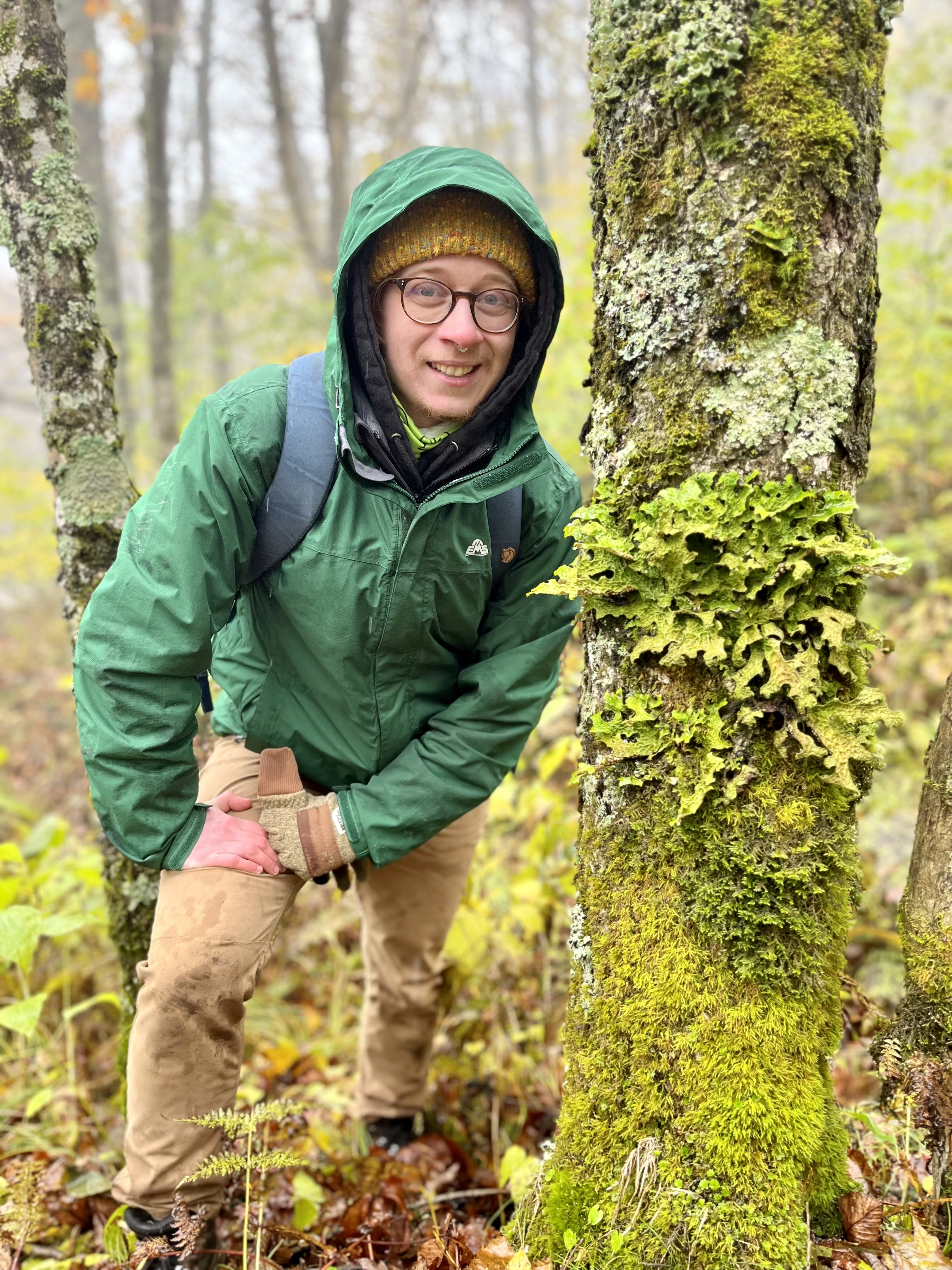

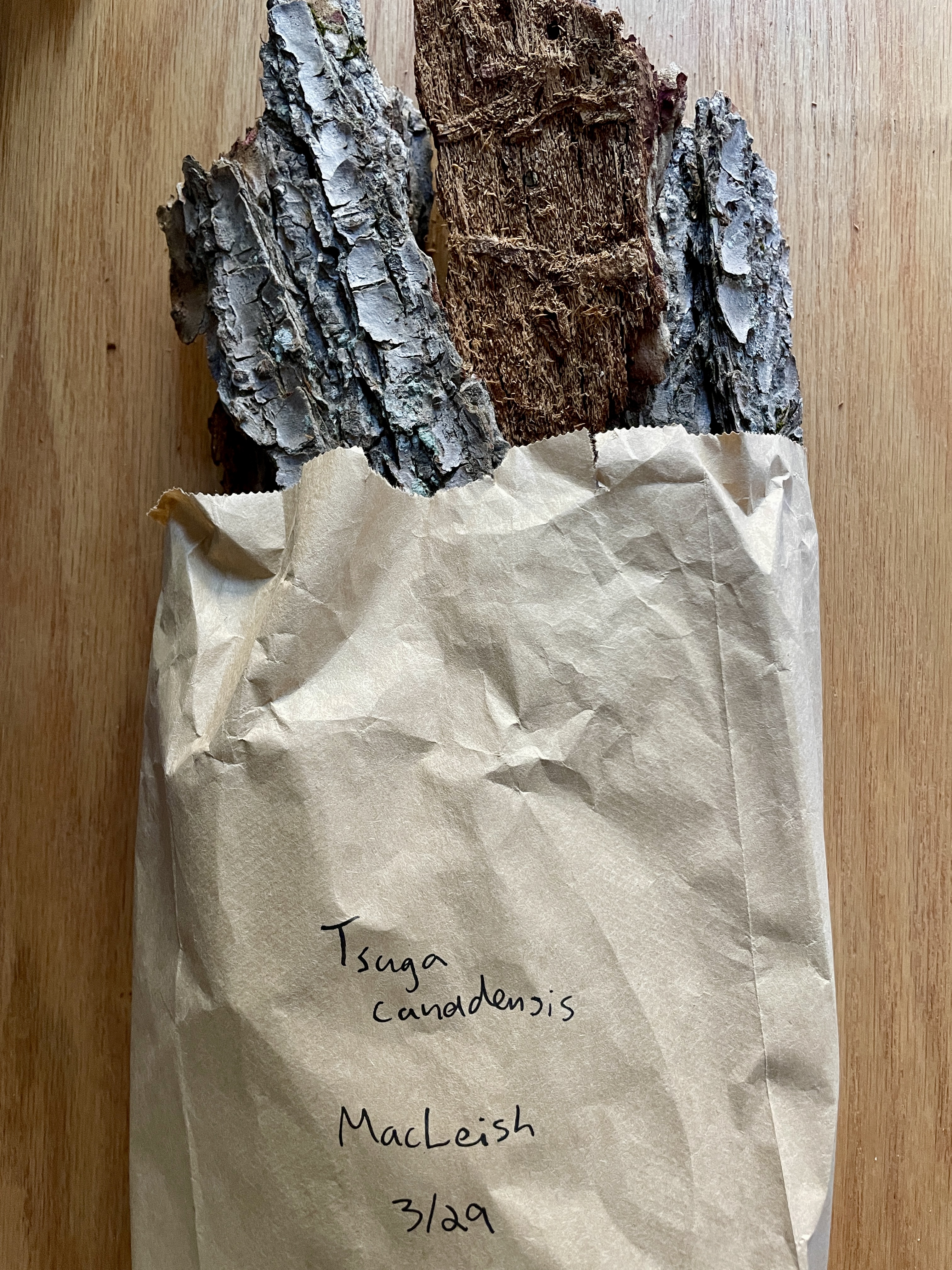


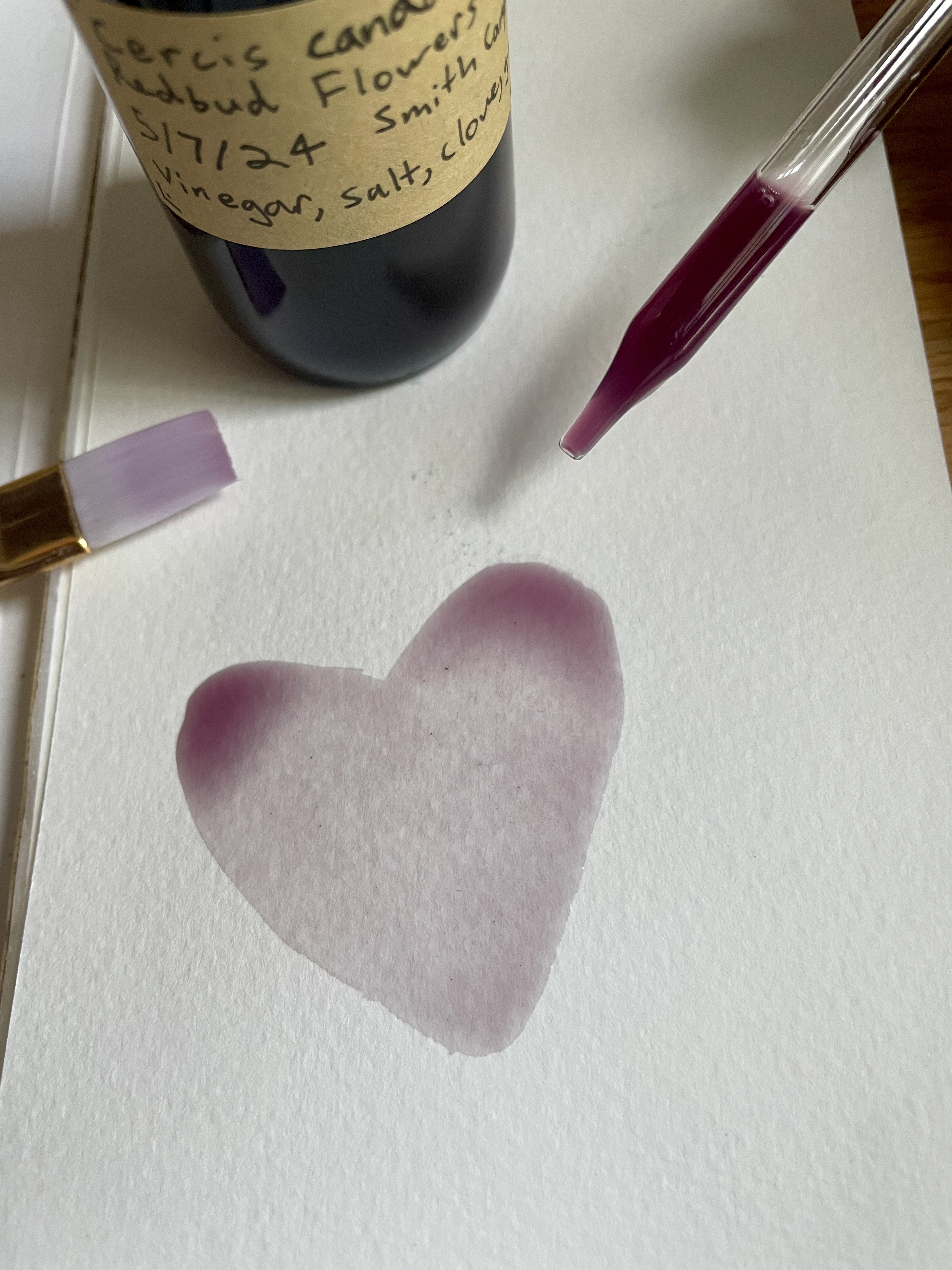
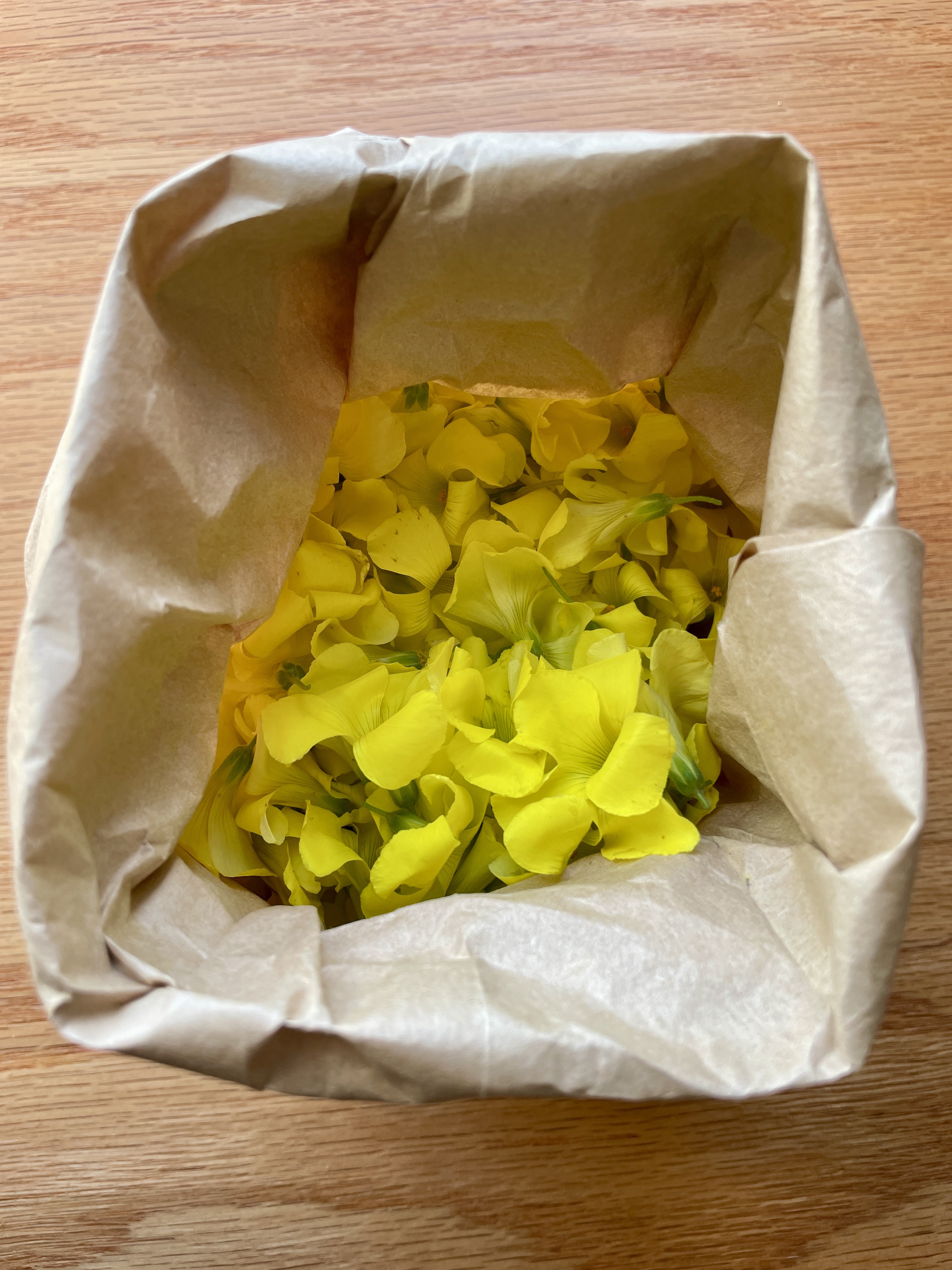


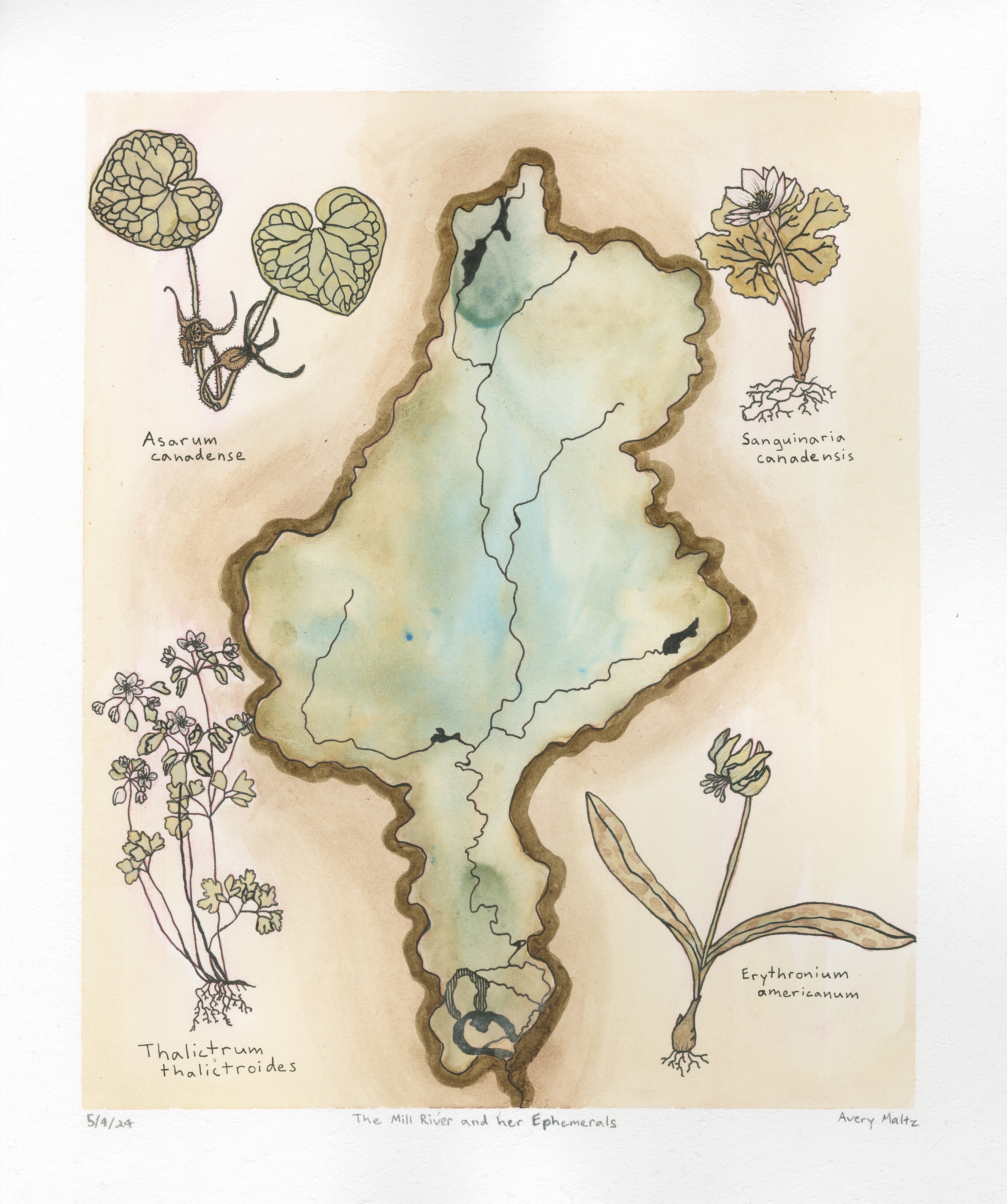
My first work using handmade botanical inks was The Mill River and her Ephemerals, painted in spring of 2023. It is a map of the Mill River watershed featuring four native wildflowers—wild ginger, bloodroot, rue anemone, and trout lily—rendered in pigments I had extracted from plants found in the area depicted. From the beginning, I was drawn to this idea of material continuity: that the ink on the page could come from the same place, even the same organism, as the subject of the painting. The image is not merely a representation but a translation of the plant into another form.
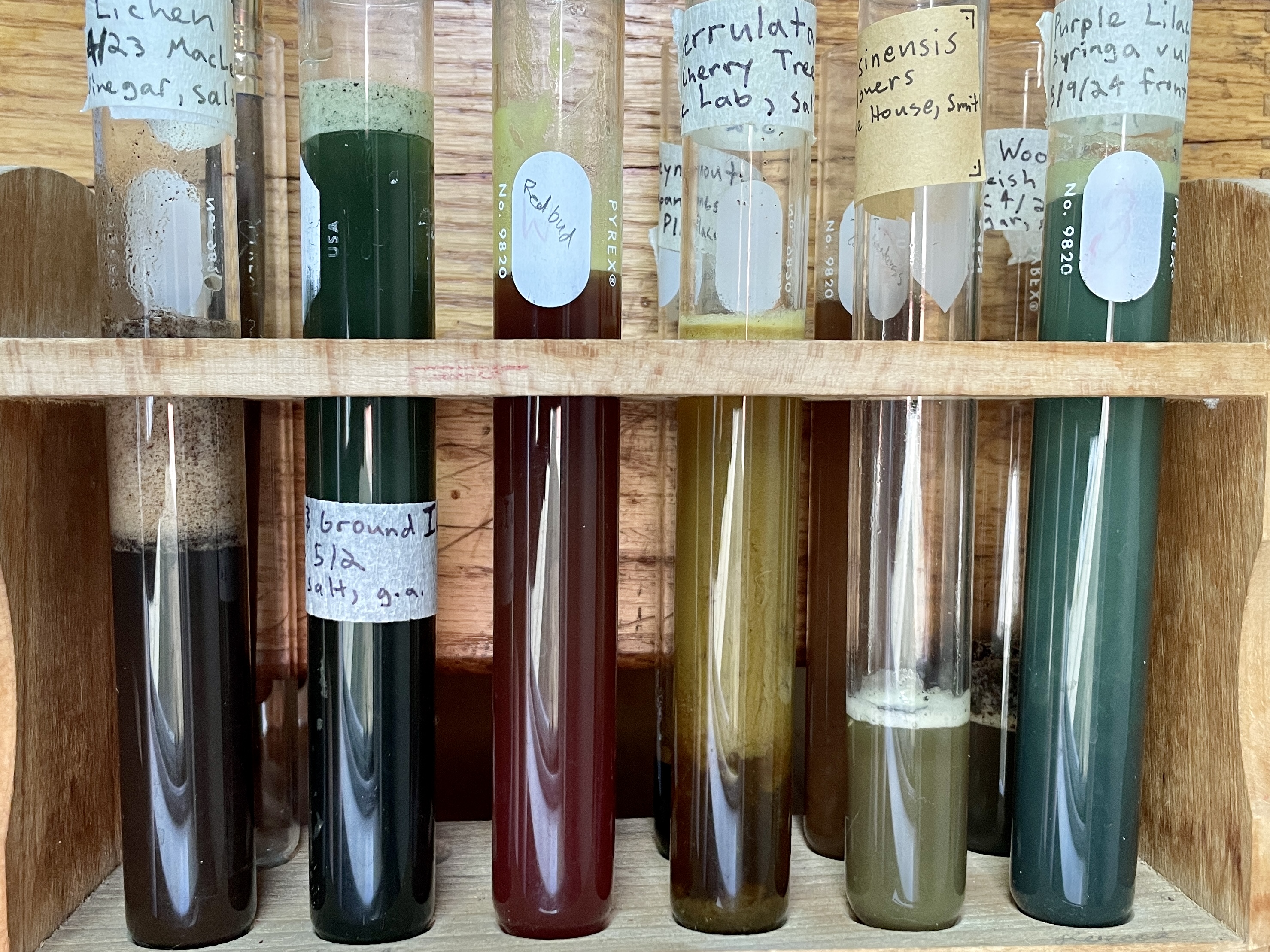
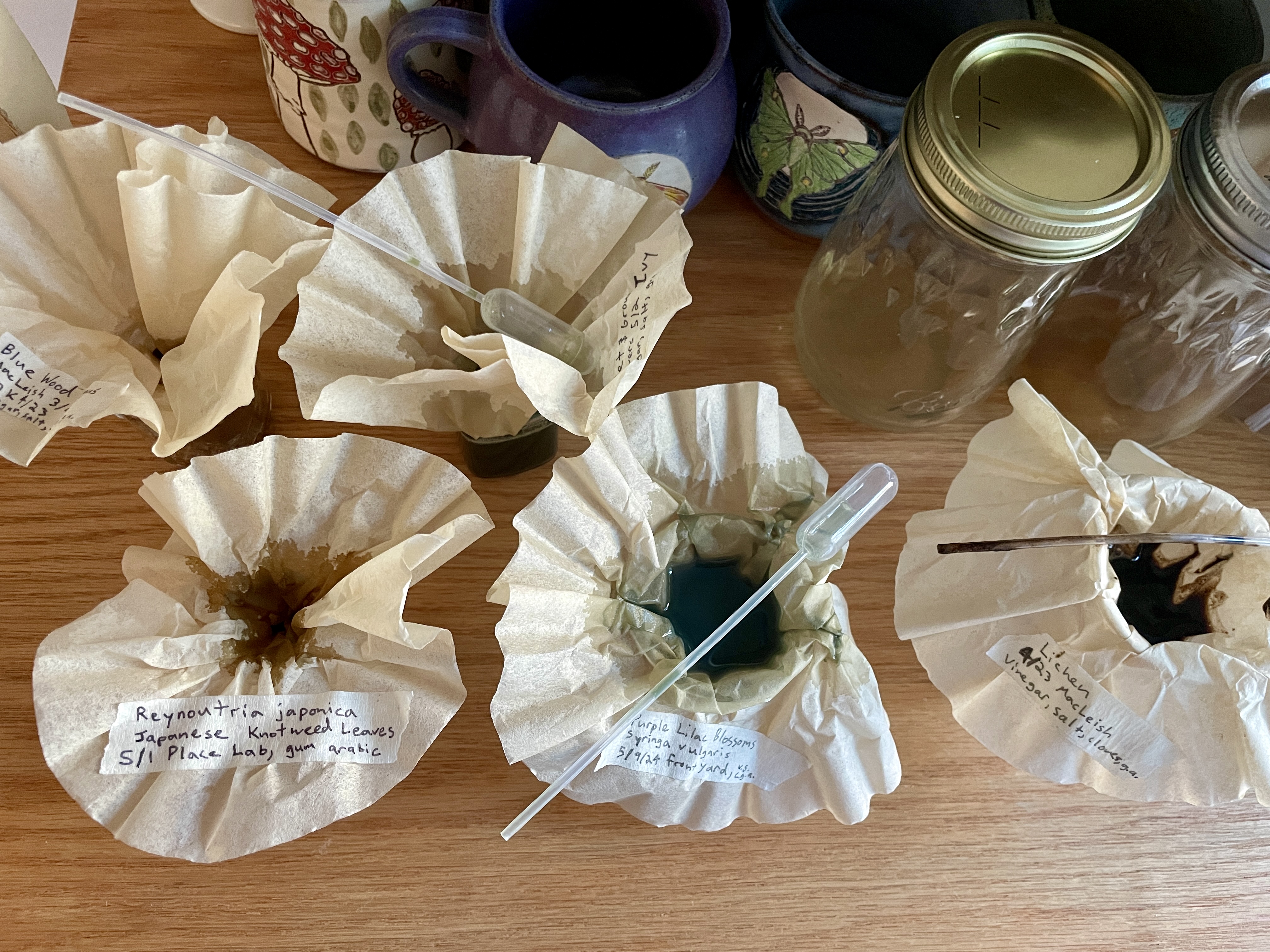
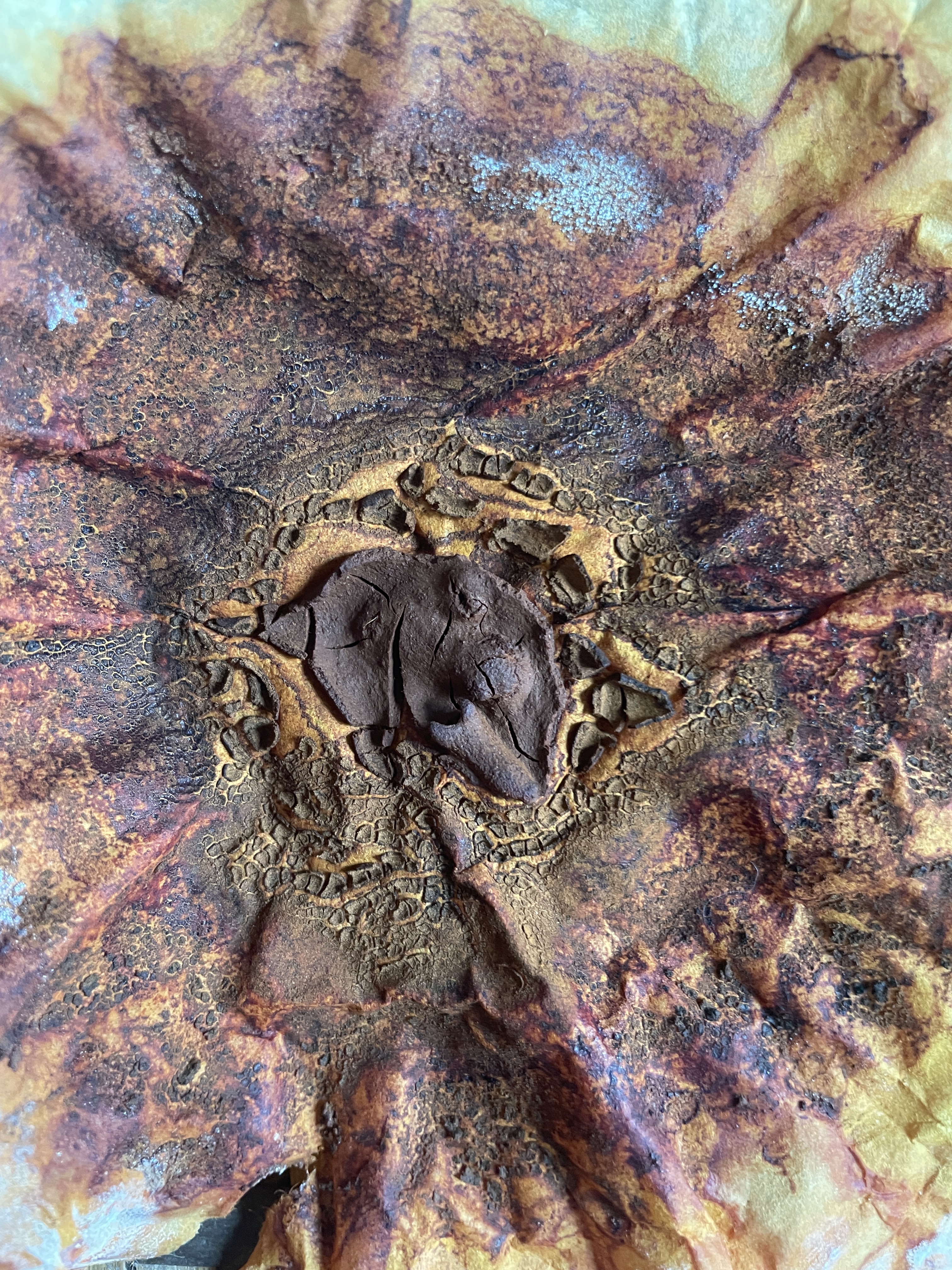
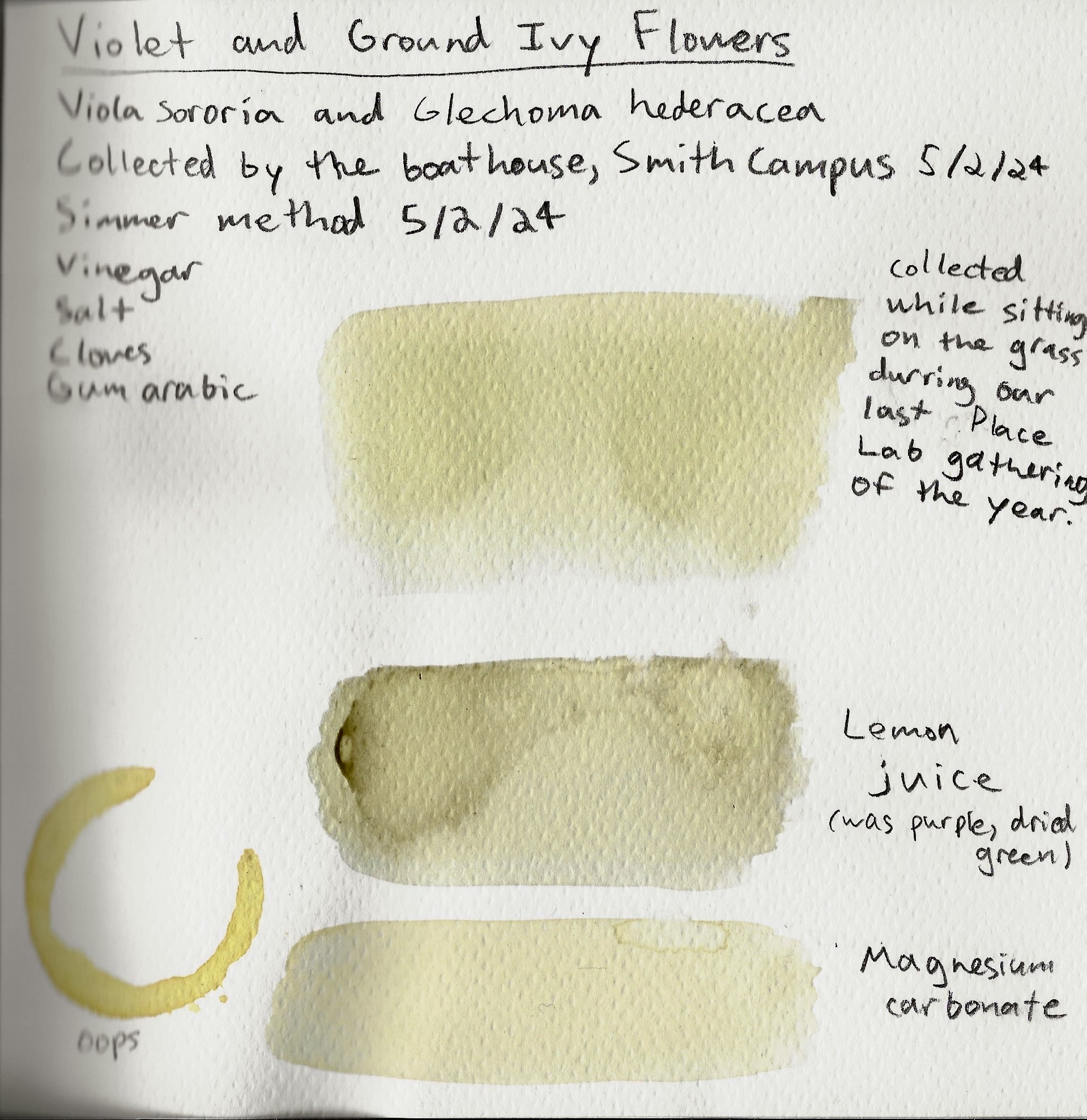

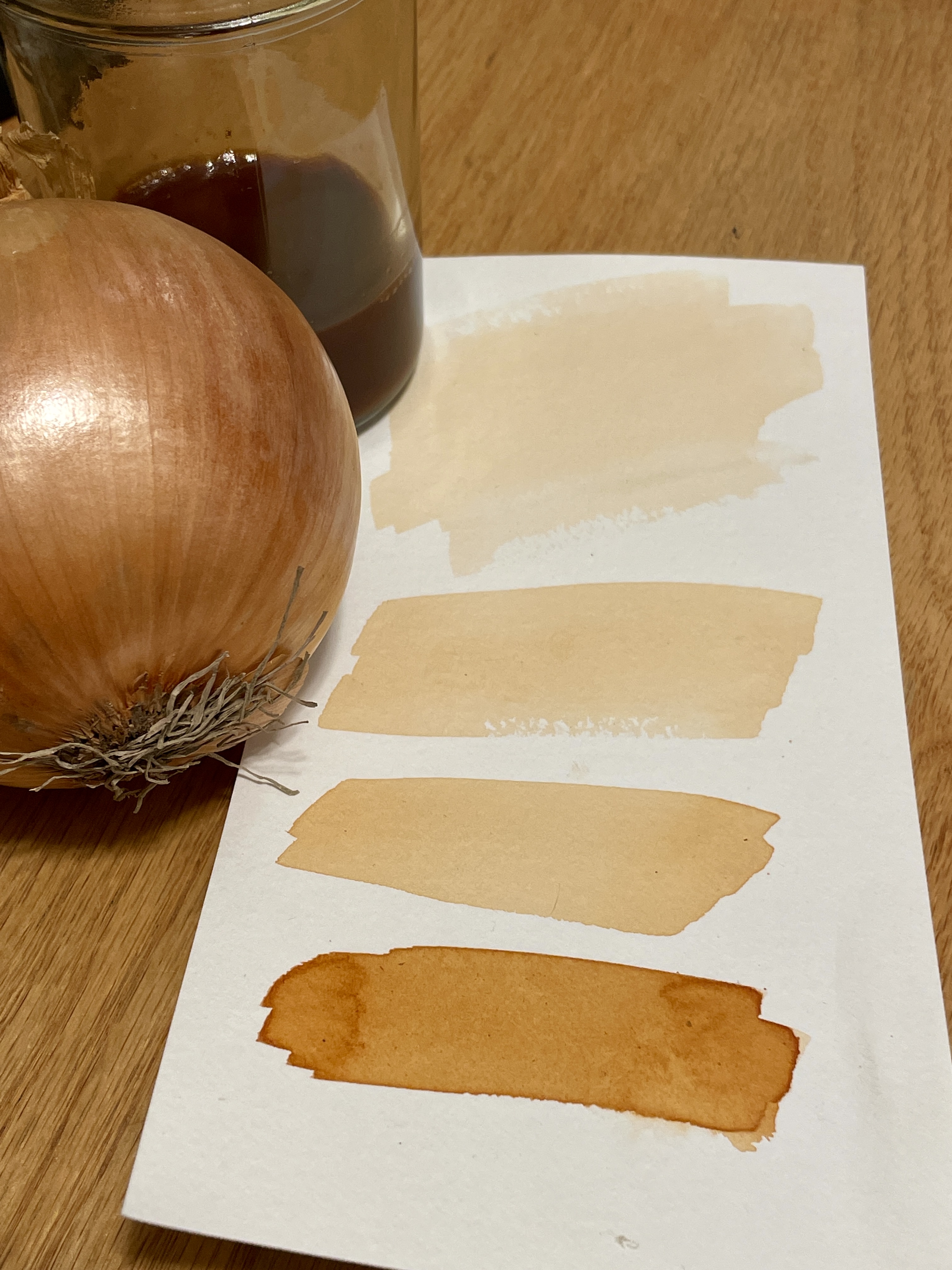
It is essential to me that my practice is sustainable, grounded in ethical foraging, and connected to seasonal rhythms. My approach to harvesting is shaped by the Honorable Harvest, a framework articulated by Robin Wall Kimmerer in Braiding Sweetgrass. Kimmerer is an author, scientist, professor, and enrolled member of the Citizen Potawatomi Nation, and her principles guide how I move through the landscape and what I take from it. In practice, this means I research each plant before collecting—its history, physiology, and ecological function. I move through the landscape with care, making sure not to disturb other species. When I collect directly from a living plant, I do so in a way that does not harm its ability to survive or reproduce. I only harvest when I see a species in multiple locations over a certain area, and even then, I take no more than ten percent of what I find. More often than not, I am surprised by encountering an abundance of material and decide to collect it simply to see what will happen.
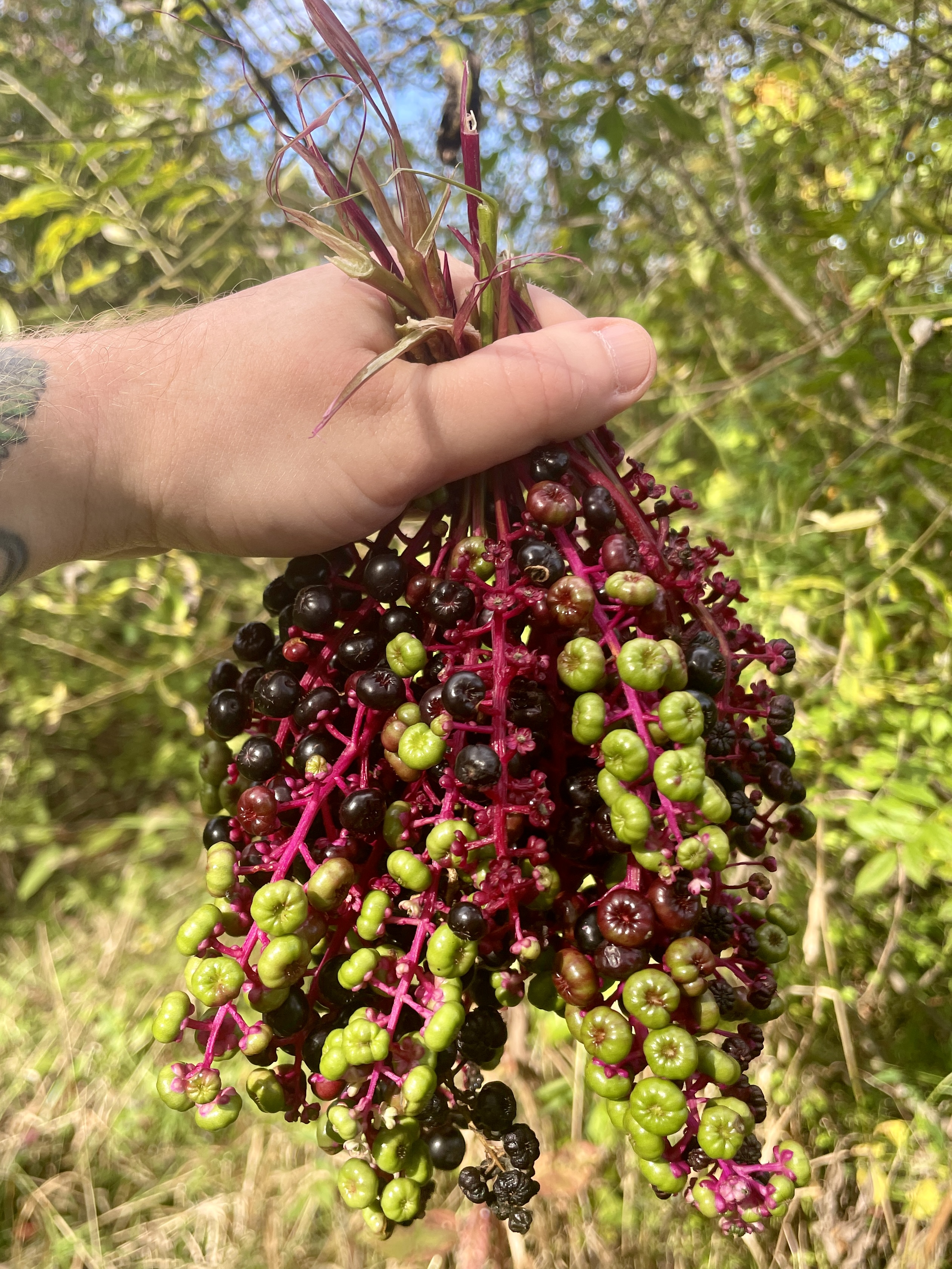
My methodology is rooted in perception and meditation: to paint is to notice, to slowly observe until the vitality of matter reveals itself. Each image arises from the specific ecological conditions that shape its materiality—the soil it grew in, the rain it drank, the rhythm of light during photosynthesis. Where much contemporary image-making abstracts nature into data, my approach is to witness the presence of material itself, to experience pigment not as an inert substance but as a trace of exchange between land, air, water, and human attention. I seek to cultivate an intimacy with the sources of their color: the chlorophyll-green that once shimmered through a leaf, or the umber drawn from a local burn scar. This is not about imparting information, but imparting a very specific encounter.
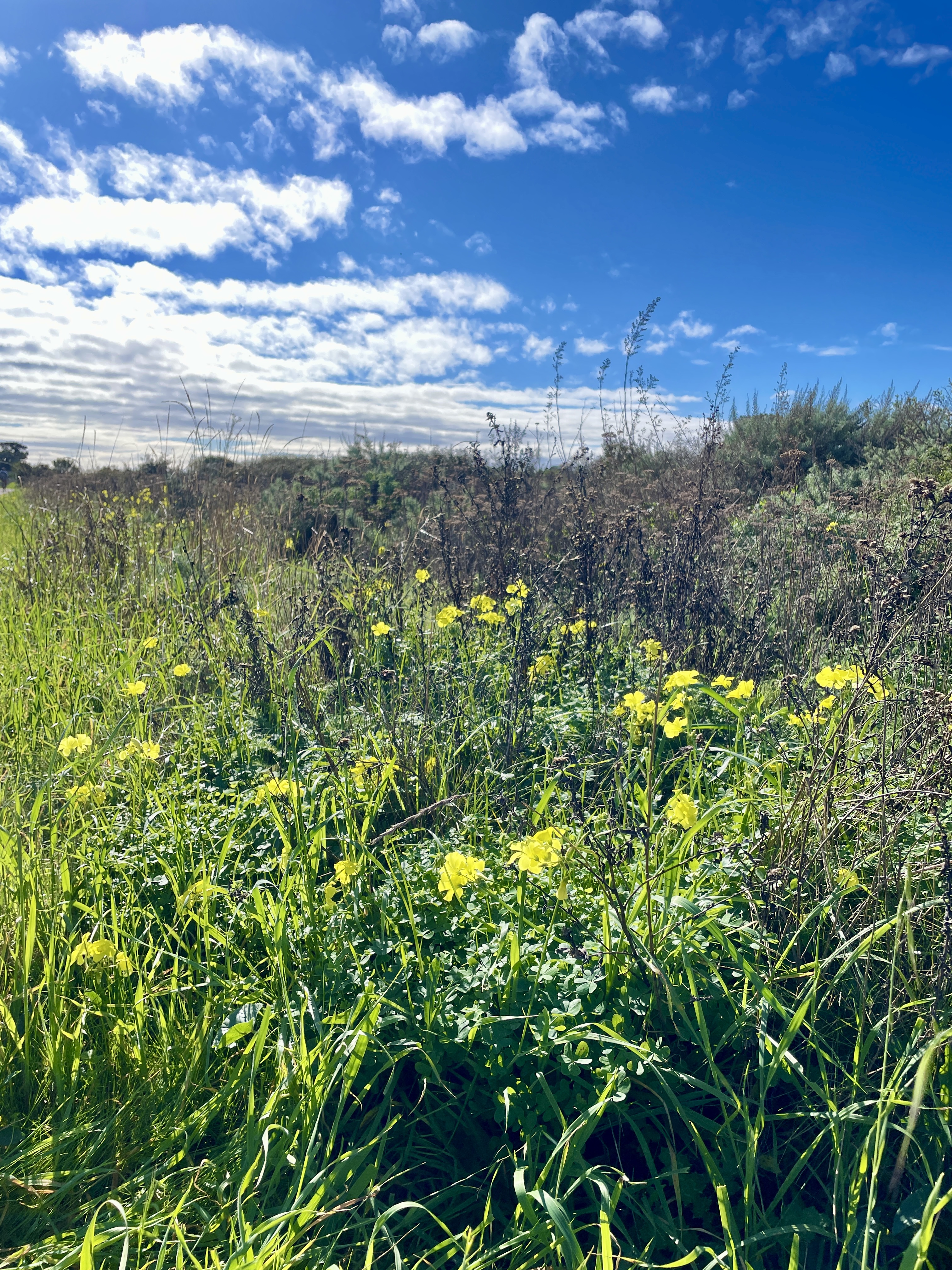
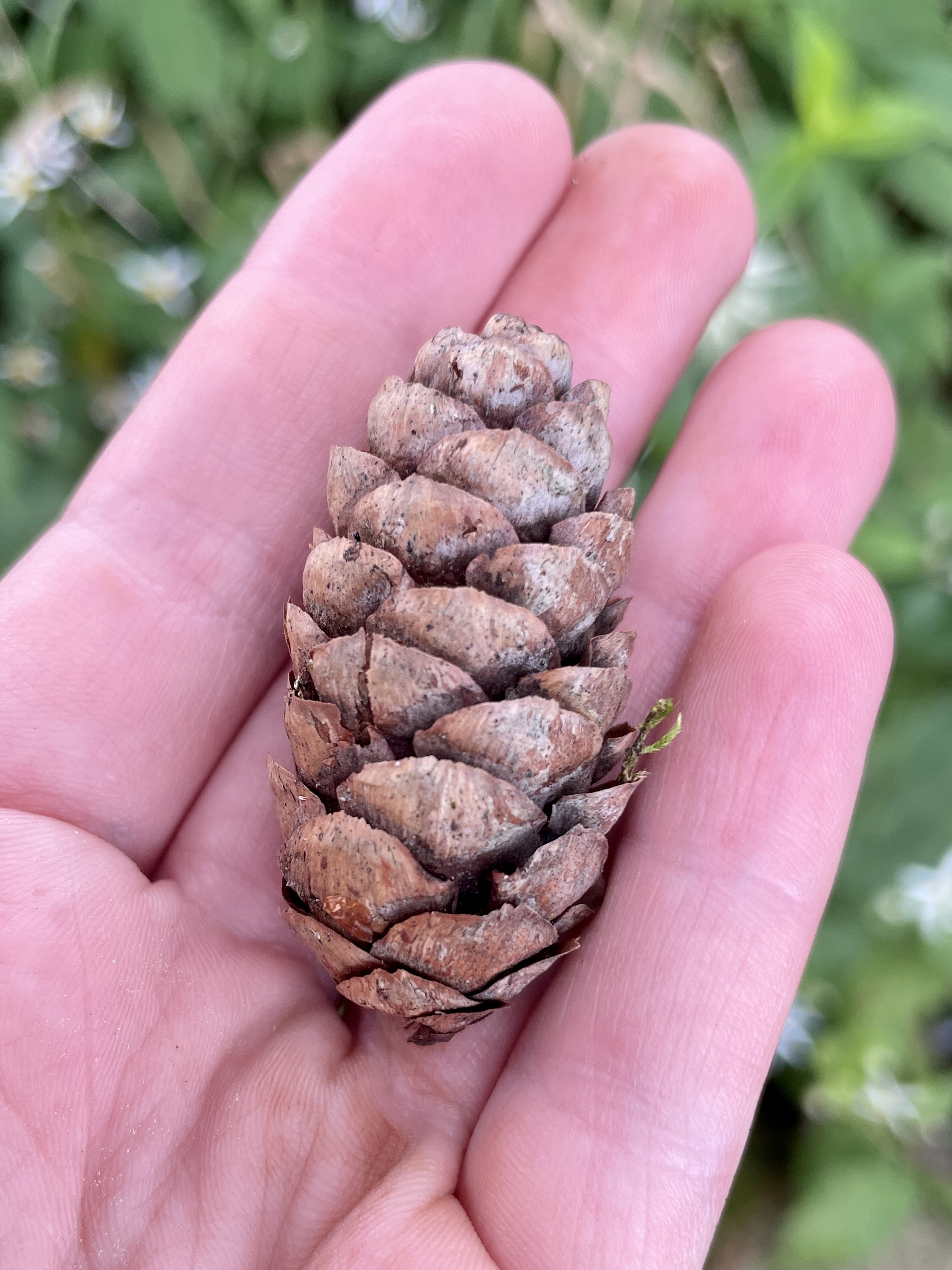
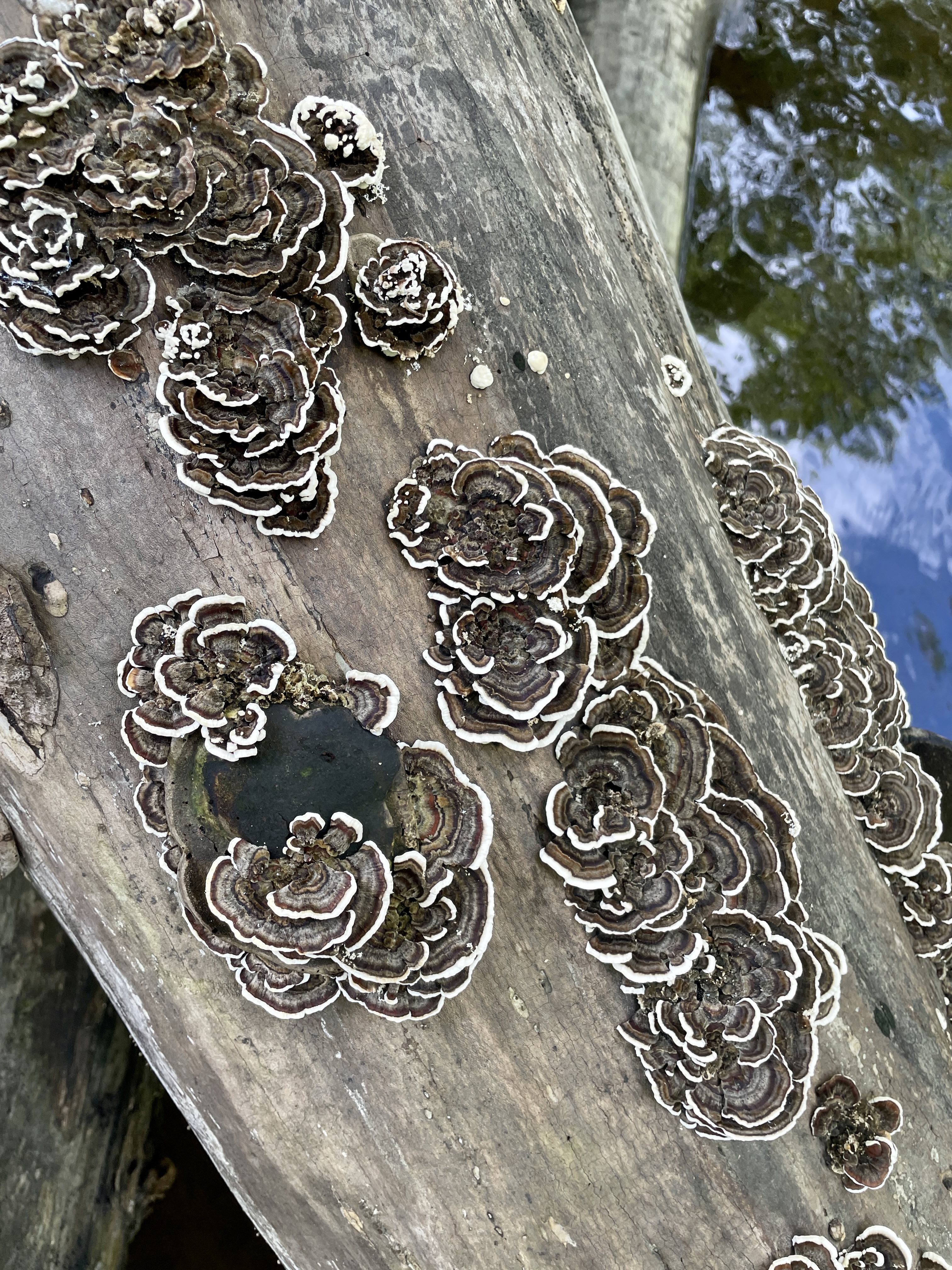

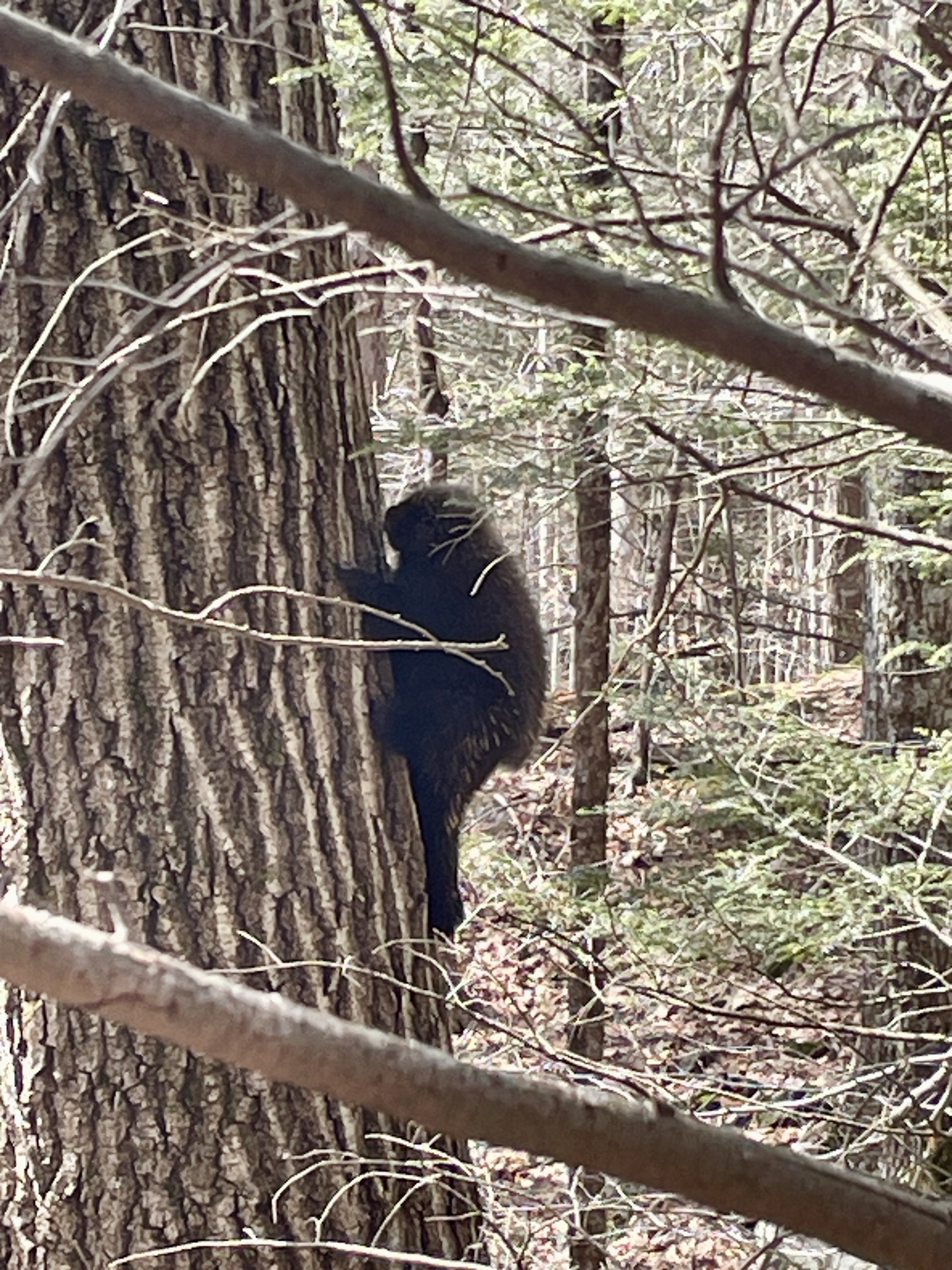

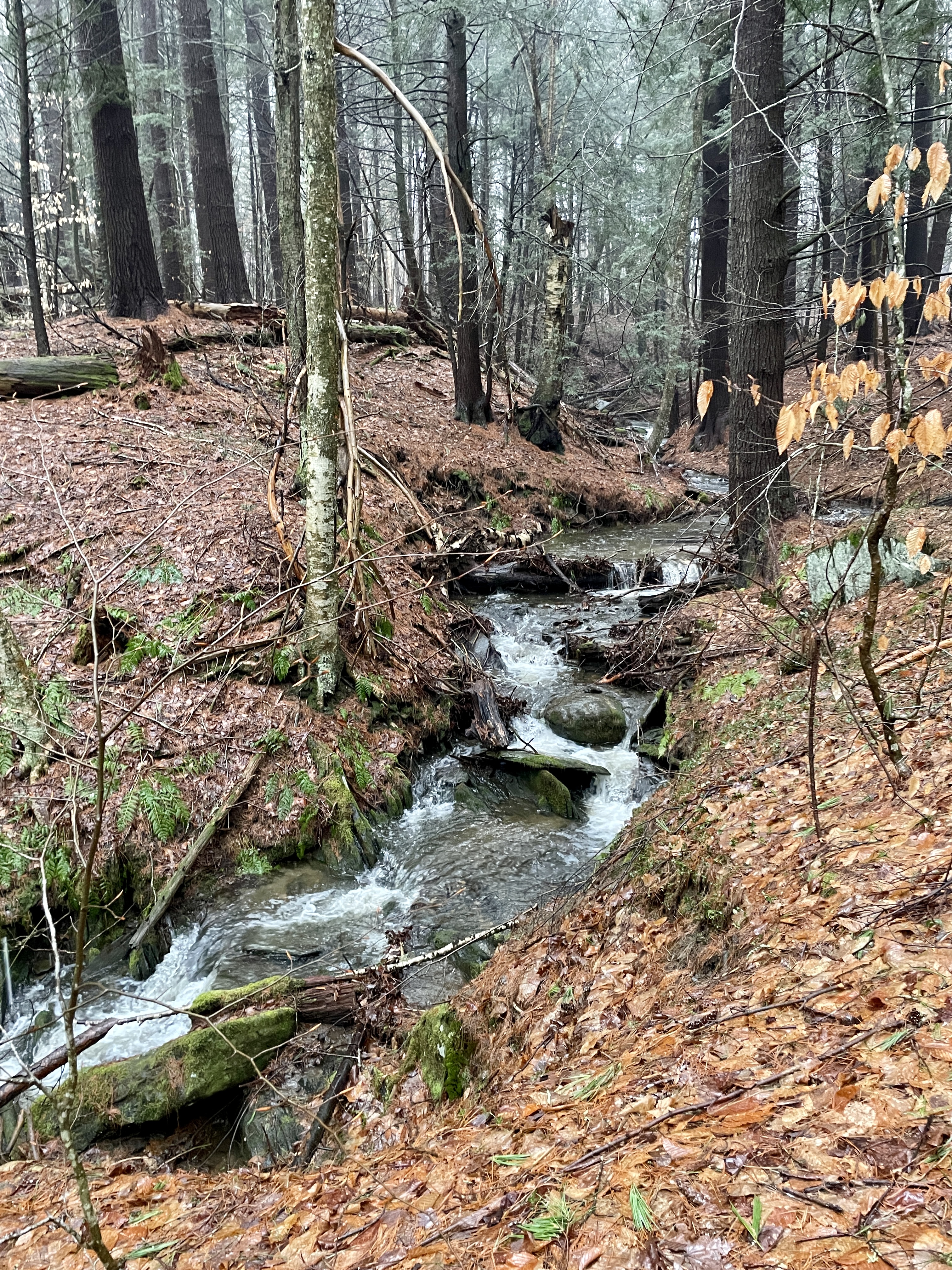

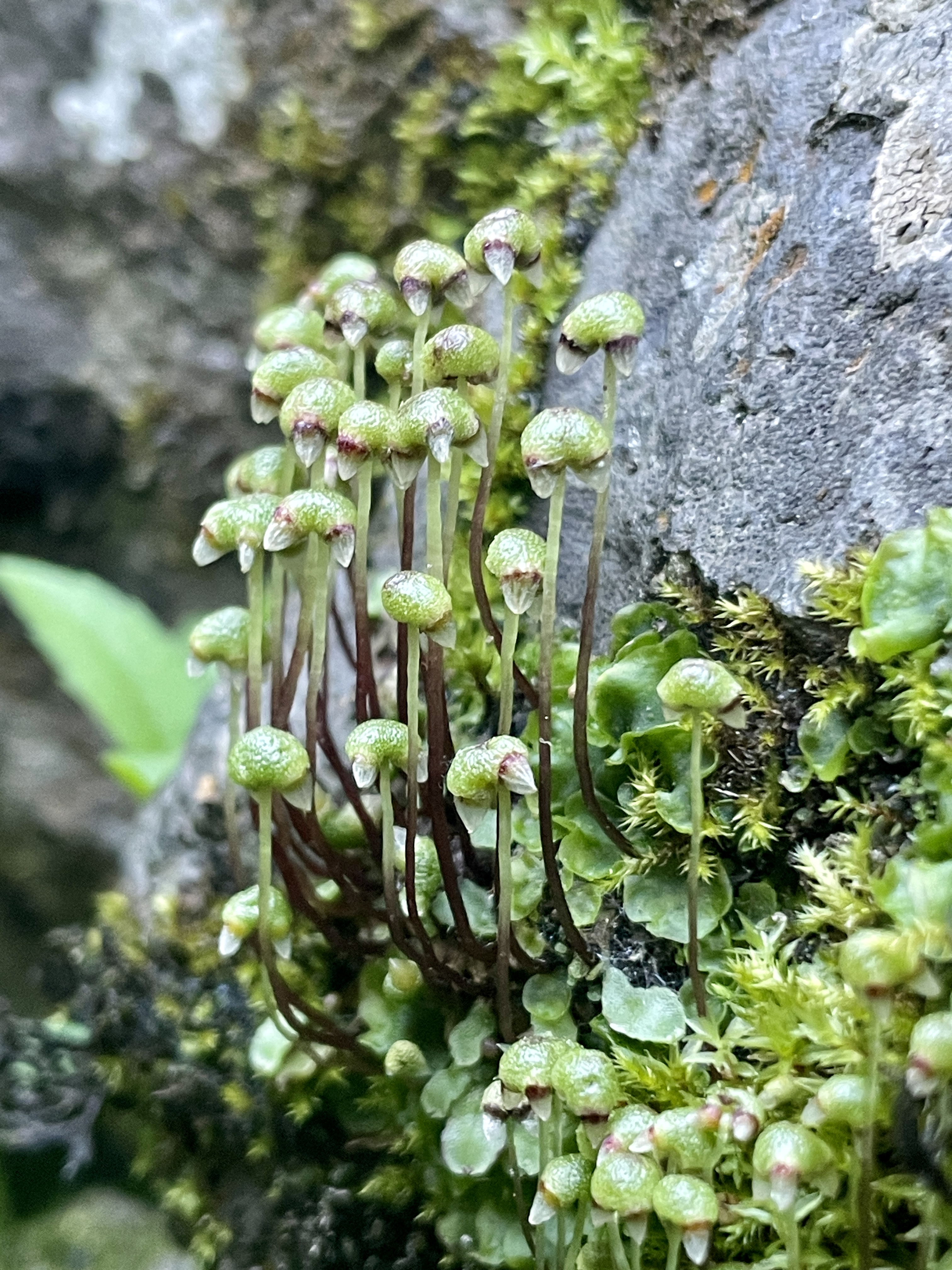
The process begins with walking. Bioregional walks are meditations in motion, guided by curiosity, attentiveness, and receptivity. Each discovery—a fallen cone, a pocket of ocherous clay—suggests both a pigment and an ecological interaction. In the studio, I transform foraged samples through methods of hand-grinding, boiling, and distillation, allowing each material to reveal its own chromatic language. The meditative aspects of material preparation cultivate awareness of interdependence and impermanence—core principles shared across ecological science and contemplative practice.
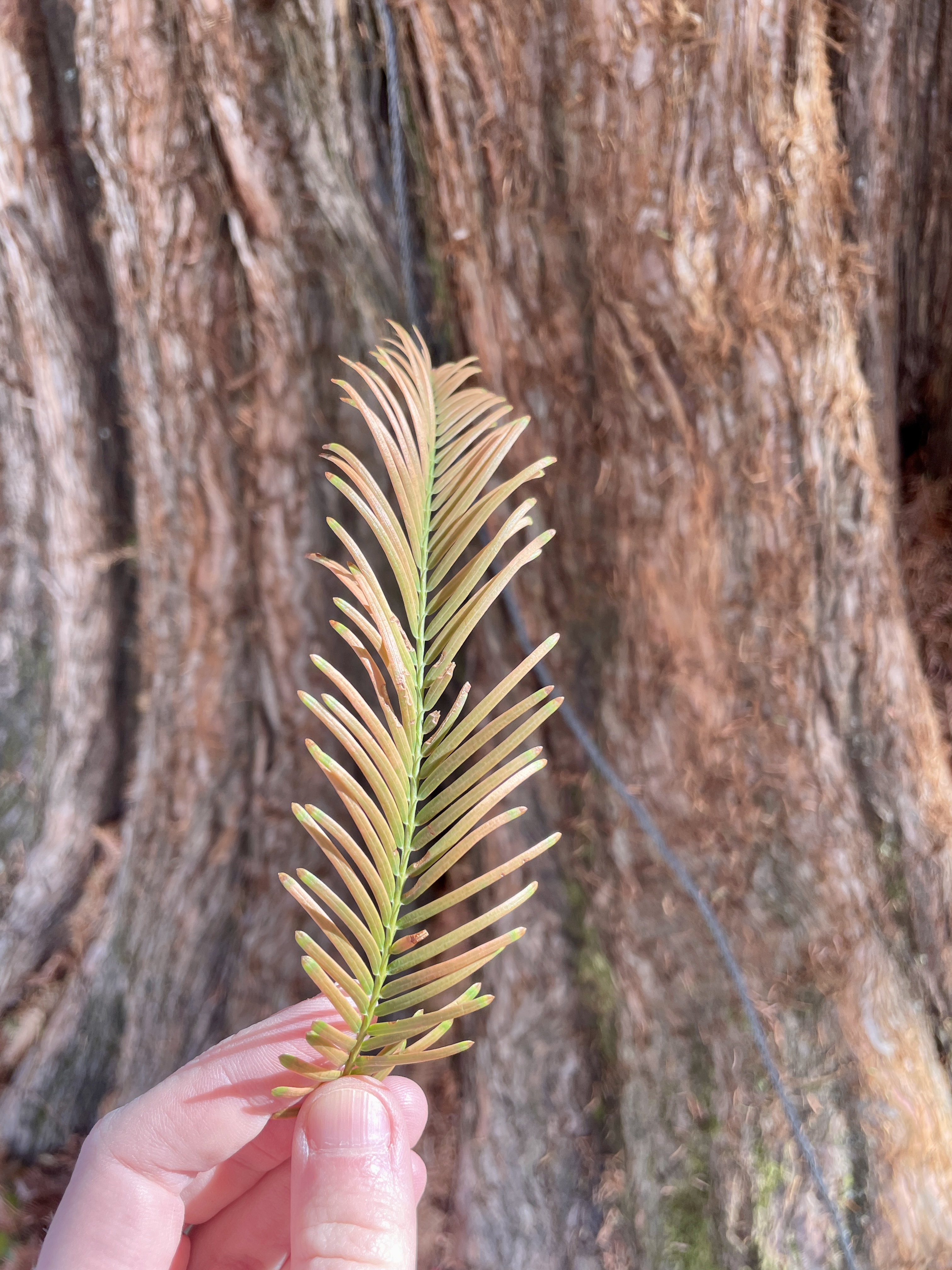
As an artist, I find joy in the conscious witnessing of nature. Because the natural world is a living system in constant flux, that joy is often coupled with the grief of transformation. I began making botanical ink to create tangible materials that celebrate my relationships with plants—not just depictions, but substances drawn from the same source as the subject. A painting made with dawn redwood ink is not only an image of the tree; it is the tree, translated into another form. By bridging art, ecology, and contemplative practice, this work envisions creativity as a method of repair: a way to remember that the earth does not merely surround us, but composes us.
 Avery Maltz